Winning new construction projects isn't just about generating more leads; it's about building trust with people who are already interested in your services. Many contractors invest in advertising, referrals, or social media to attract potential clients, but these leads often go cold because they aren't followed up with consistently.
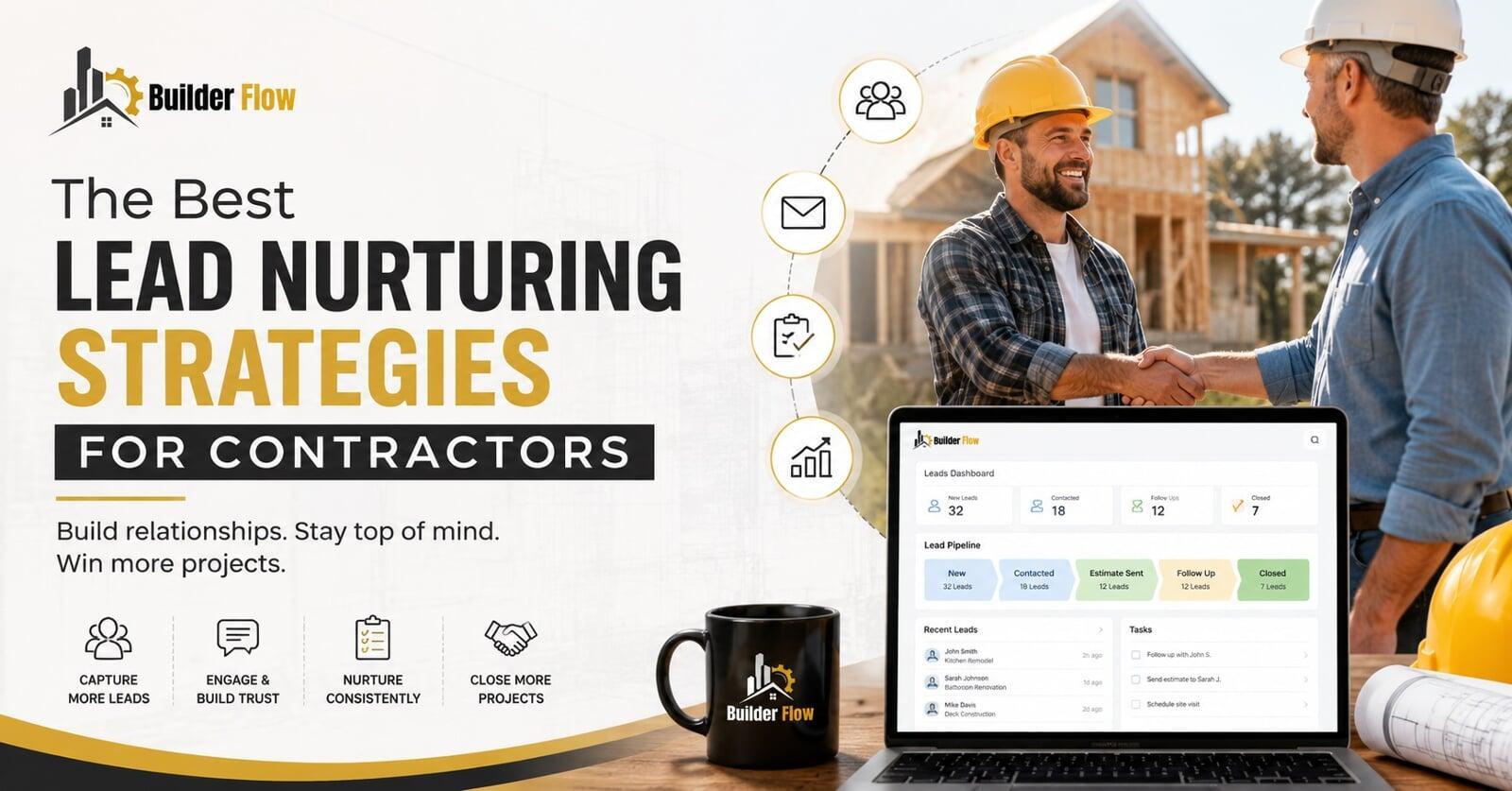
Homeowners and commercial clients rarely hire the first contractor they contact. Instead, they compare estimates, read reviews, ask questions, and take their time to decide. During this period, the contractor who communicates clearly and stays engaged often secures the project.
A solid lead nurturing strategy helps you stay connected with prospects until they are ready to move forward. Here are some effective ways contractors can turn inquiries into signed contracts..
Respond Quickly to Every Inquiry
The first few hours after getting a lead are crucial. When someone fills out a website form, sends an email, or calls your office, a quick response makes a strong first impression.
Even if you can’t provide a detailed estimate right away, acknowledge the inquiry. Let the prospect know when they can expect to hear from you. A simple confirmation message shows professionalism and reassures potential customers that their request has been received.
Organize Your Leads in One Place
As your business grows, relying on notebooks, spreadsheets, or sticky notes becomes increasingly difficult. Leads can easily be forgotten, especially during busy construction seasons.
Keeping all inquiries in one organized system allows you to:
- Track where each lead originated
- Record conversations and project details
- Schedule follow-up reminders
- Monitor the status of every opportunity
- Prevent duplicate communication
Having a clear overview helps ensure that no potential customer slips through the cracks.
Understand What Each Customer Needs
Not every lead is looking for the same service. Some homeowners need a complete renovation, while others may only require roofing repairs, painting, or a kitchen remodel.
During your first conversation, gather information such as:
- Project type
- Budget expectations
- Preferred timeline
- Property location
- Primary concerns or goals
This information allows you to personalize future communication rather than sending generic messages.
Follow Up Consistently Without Being Pushy
Many contractors give up after one phone call or one estimate. In reality, clients often need several touchpoints before making a final decision.
Consider following up:
- A day or two after sending an estimate
- One week later to answer questions
- Before the quoted price expires
- After seasonal promotions or scheduling availability opens
The goal is to remain helpful rather than aggressive. Ask whether they have additional questions and offer guidance instead of pressuring them into making an immediate commitment.
Educate Instead of Selling
People appreciate contractors who help them make informed decisions.
Instead of constantly promoting your services, share useful information such as:
- Maintenance tips
- Remodeling ideas
- Material comparisons
- Permit requirements
- Seasonal home care advice
- Budget planning suggestions
Educational content positions your company as a trusted expert and keeps your business top of mind.
Build Trust with Social Proof
Construction projects represent significant investments, and clients want reassurance that they're hiring the right company.
Showcase your credibility by sharing:
- Customer testimonials
- Before-and-after project photos
- Online reviews
- Case studies
- Industry certifications
- Awards and recognitions
Real examples of successful projects help prospects feel more confident about working with you.
Personalize Your Communication
Customers respond better when they feel like individuals rather than just entries in a database. Instead of sending the same messages to every lead, mention their specific project. For example: "Hi Sarah, I wanted to check whether you had any questions about the kitchen remodeling estimate we discussed last week." Small personal touches show that you remember the customer and truly care about their project.
Use Email to Stay Connected
Email remains one of the easiest ways to nurture leads over time.
You might send:
- Project inspiration
- Remodeling trends
- Seasonal maintenance reminders
- Financing updates
- Company news
- Recent project highlights
The key is consistency. One helpful email each month is often more effective than several promotional emails sent in a single week.
Stay Active on Social Media
Many prospects continue researching contractors long after requesting an estimate.
Posting regularly on social media allows potential customers to see:
- Ongoing projects
- Completed work
- Customer success stories
- Team members
- Construction tips
- Behind-the-scenes updates
An active online presence reinforces your credibility and reminds prospects that your business is busy and trusted.
Track Every Stage of the Customer Journey
Lead nurturing becomes much easier when you know exactly where every prospect stands.
For example:
- New inquiry
- Initial contact made
- Site visit completed
- Estimate sent
- Follow-up scheduled
- Negotiation
- Contract signed
- Project completed
Tracking these stages helps identify where leads are dropping off so you can improve your sales process.
Don't Ignore Old Leads
Not every prospect is ready right away. Someone who asked for an estimate six months ago might now have the budget or urgency to start the project. Reach out to previous leads from time to time. Ask if their plans have changed or if they need updated pricing. These follow-ups often create opportunities without extra advertising costs.
Measure What Works
The best contractors continually refine their lead nurturing process.
Track important metrics such as:
- Response time
- Follow-up frequency
- Estimate acceptance rate
- Lead-to-customer conversion rate
- Referral rate
- Average project value
Reviewing these numbers helps identify which communication strategies produce the best results.
Leverage Technology to Save Time
Managing dozens or hundreds of leads by hand can easily get overwhelming. Many contractors use customer relationship management (CRM) software to improve communication, automate reminders, and keep project information organized. Instead of replacing personal relationships, technology helps by making sure follow-ups happen on time and by providing a complete history of each customer interaction. This lets contractors spend less time on admin tasks and more time building trust with potential clients.
Final Thoughts
Successful contractors understand that generating leads is just the start. What really drives growth is building relationships through regular communication, useful information, and dependable follow-up.
By responding quickly, staying organized, personalizing conversations, sharing valuable insights, and checking in with potential customers often, contractors can boost conversions without significantly raising their marketing budget.